"Nationwide Protests Erupt Over New Tax Legislation"
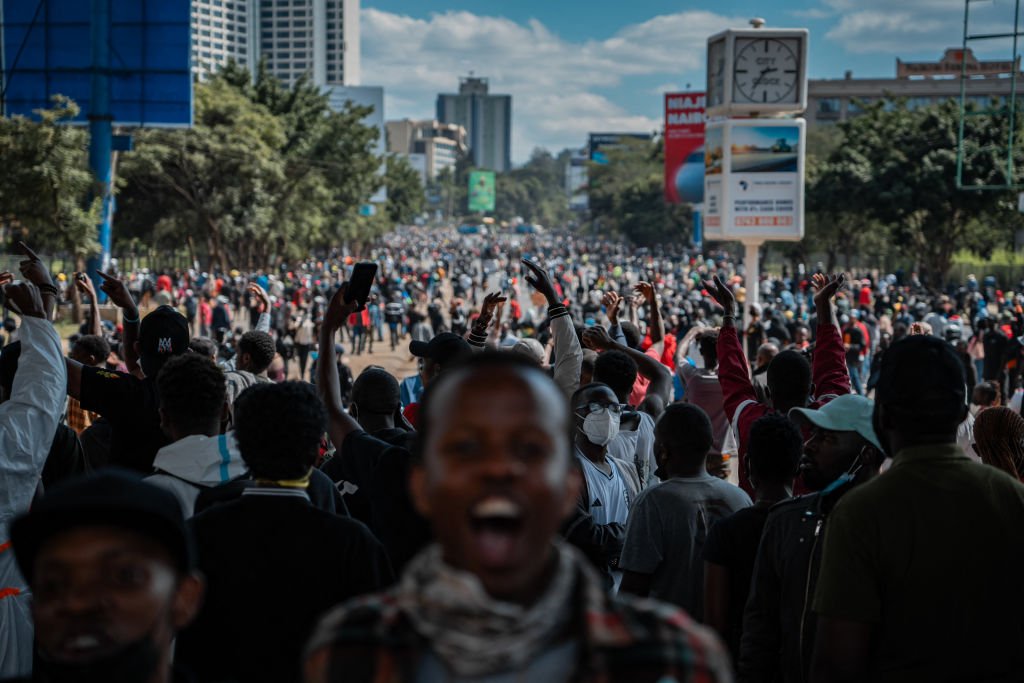
Nationwide protests have erupted in response to the government’s recent passage of a controversial new tax legislation, sparking widespread public outrage and igniting debates across political, social, and economic circles. The legislation, which introduces sweeping changes to income tax brackets, corporate tax rates, and consumption taxes, has been met with criticism from a broad coalition of citizens, labor unions, advocacy groups, and opposition parties. Demonstrators have taken to the streets in major cities, demanding that the government repeal the law and consult more broadly with the public and stakeholders before enacting such significant reforms.
At the center of the controversy is the belief that the new tax law disproportionately affects working-class and middle-income families while offering tax breaks and incentives to large corporations and high-income individuals. One of the key provisions of the legislation involves a reduction in corporate tax rates, which the government argues is intended to stimulate economic growth, attract investment, and boost job creation. However, critics argue that this reduction comes at the cost of slashing subsidies, increasing value-added taxes (VAT) on essential goods and services, and placing a heavier burden on ordinary citizens.
The law also restructures income tax brackets, resulting in increased taxes for many middle-income earners, while marginal reductions benefit the highest earners. Additionally, it removes or limits several tax deductions and credits that previously provided financial relief to families, such as child care credits, education deductions, and housing subsidies. These changes have raised fears that the cost of living will rise significantly, especially for those already struggling to make ends meet.
The protests began organically in several cities but quickly spread nationwide as citizens organized marches, rallies, and sit-ins. Social media has played a significant role in mobilizing people, with hashtags related to the protests trending for days. Many demonstrators carried signs criticizing the government’s economic priorities, chanting slogans about fairness, equity, and the need for more progressive tax policies. Public sector employees, including teachers, healthcare workers, and municipal staff, have staged walkouts, demanding that the government reconsider the legislation.
Opposition leaders have seized on the moment, accusing the ruling party of pushing through the legislation without adequate public consultation or parliamentary debate. They argue that the bill was passed hastily and lacks transparency, pointing out that key economic assessments and impact studies were not released prior to the vote. Some lawmakers have called for an emergency parliamentary session to review the bill’s provisions and consider amendments or a repeal.
In response to the growing unrest, government officials have defended the tax law, insisting that it is necessary for fiscal sustainability and long-term economic growth. They argue that the reforms will help reduce the national deficit, modernize the tax system, and create a more competitive business environment. However, facing mounting pressure, some members of the ruling coalition have hinted at a willingness to revisit specific provisions or introduce relief measures to ease the impact on lower-income groups.
As tensions continue to rise, the outcome remains uncertain. What is clear, however, is that the new tax legislation has struck a nerve across the nation, highlighting deep divisions over economic policy and social justice. The protests reflect not only dissatisfaction with the tax law itself but also broader concerns about inequality, governance, and the responsiveness of political institutions to the needs of the people.